
What is the Magical Girl genre?
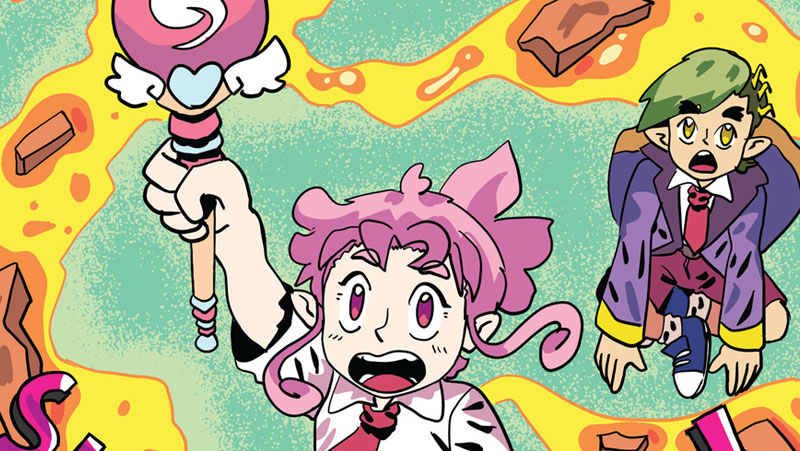
Cute, whimsical, and magical. Originally targeted at young adolescent girls, the Magical Girl genre has now taken popular culture by storm. Magical Girl series such as Sailor Moon, Cardcaptor Sakura, and Magic Knight Rayearth did not just come to define the genre, but have also gone on to establish themselves as anime and manga classics whose influence can be seen on new generations of manga, American cartoons like Totally Spies and Winx Club, and other non-Japanese comics such as our very own Magical Sweet Gula by Johanes Park and Jessica Leman.
The Magical Girl genre might appear childish, frivolous, and silly to the uncritical eye. But in its promise of unknown adventures, epic new powers, and the freedom to fully express your personality in the most spectacular of ways, the Magical Girl genre is in fact a treasure trove to unpack when you look a little closer at its magic. With Magical Sweet Gula as an example, dive in with us into the fabulous world of Magical Girls!
The two lives of Magical Girls
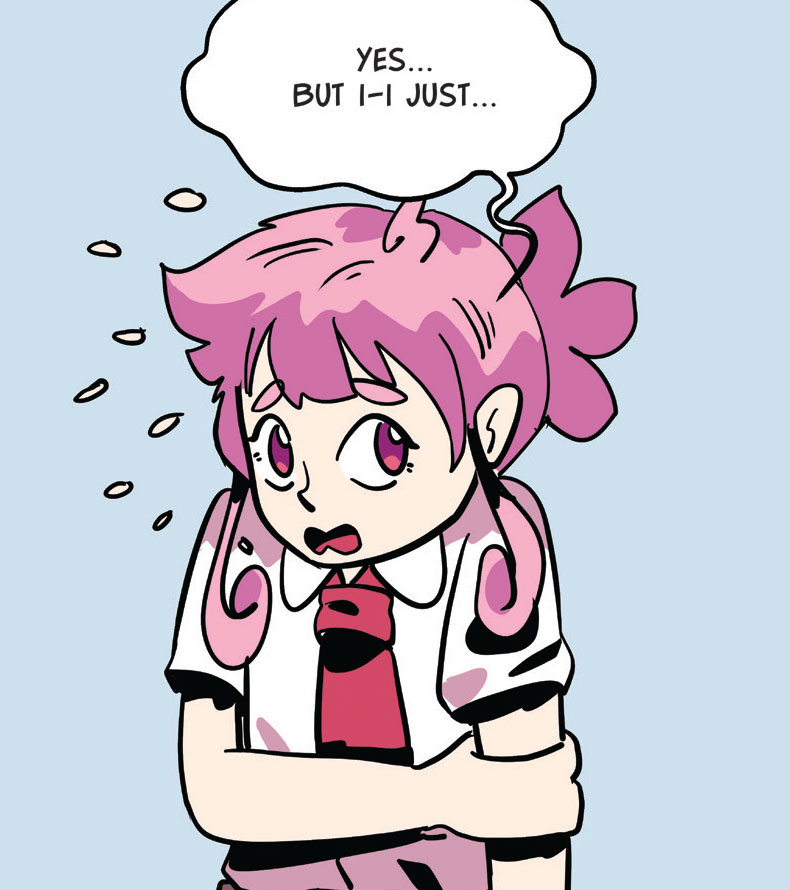
Magical Girl stories are full of duality, beginning with the genre’s protagonists – usually young schoolgirls by day and magic-wielding heroines by night who battle monsters and supernatural villains. Magical Girls often have to keep their supernatural alter-egos a secret and juggle normal life as a schoolgirl alongside their Magical Girl responsibilities. They might face off against a huge monster at night, and then wake up to a nerve-wracking test the next morning!
As schoolgirls, their youth and unassuming appearances are subtly juxtaposed against their powerful Magical Girl forms. Where tween or teen girls are often dismissed as naive and powerless in a world of “adult” rules, the temptation to underestimate Magical Girls not only makes them more formidable as their powers surprise anyone who doesn’t respect them, but also aspirational especially to those who can relate to those feelings of disempowerment in the real world.
But wielding power isn’t always as simple as it seems, and their Magical Girl status can be both a gift and as well as a burden and responsibility that they have to struggle with. Gula Gulali of Magical Sweet Gula knows this all too well as a half-Magi and half-Terran schoolgirl whose magic often gets misunderstood. Her non-magical Terran schoolmates and teachers are often less than kind when Gula’s power to turn things into kue and other sweet treats manifests in ways they don’t expect. But the Magical Girl is never alone, and Gula’s aunt Sacha and Magi friend Yoga become the found family she needs to get through the drama.
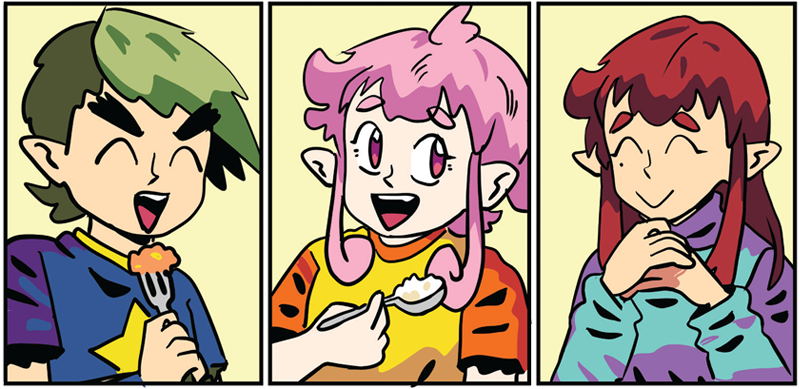
Whether it’s teaming up with fellow Magical Girls, spirit companions, or a small and trusted circle of friends who become confidantes and the support network they need, the most powerful heroines are the ones who open themselves to the power of people around them. This is a crucial part of the Magical Girl story: learning that battles cannot be won alone, and that when their foe becomes more powerful than their magic, the final push to victory often comes with the support of those around them. Perhaps even “enemies” in their real life can one day become an ally in their corner.
Drawing on strength from these various sources, a Magical Girl’s power can be seen as a rejection of society’s measure of what it takes to change the world: though they might not occupy power or influence in the way society typically recognises – through wealth, competition, physical force, influence, or political power – a Magical Girl’s journey allows them to enact change not by brute force or manipulation but through thoughtfulness, teamwork, and being in tune with themselves and the world around them.
The iconic transformation
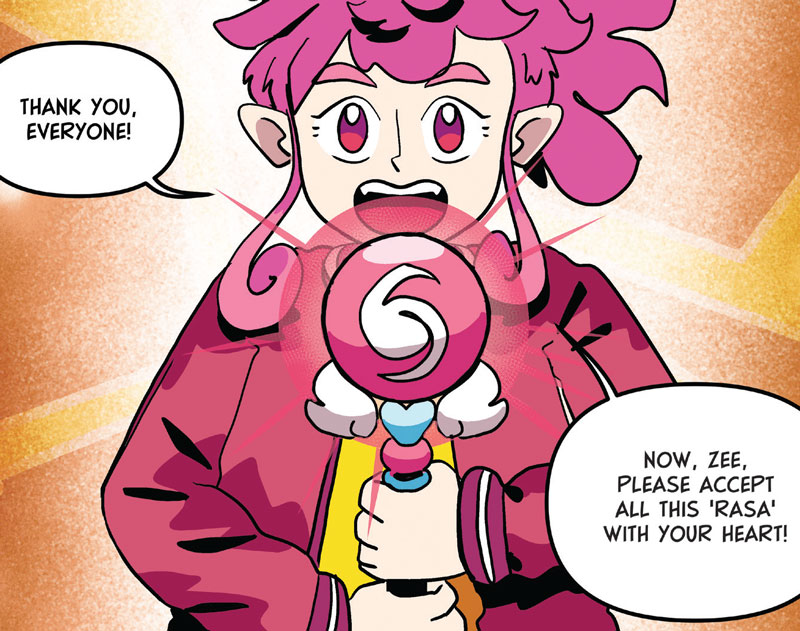
Iconic to the magical girl is her transformation — a dazzling display of her magical powers and as she crosses the threshold between normal and magical. Being a kid or teen often means lots of clumsy or awkward moments of messing up and cartwheeling through the ups and downs of growing up, and the transformation sees them locking in to their most graceful and confident selves with the ability to tackle larger-than-life problems that even adults can’t solve. In Magical Sweet Gula, we see that while Gula Gulali’s half-Magi heritage and magical abilities are something she gets bullied over, her magic quickly becomes the only solution to the chaos and hijinks at her school when the adults and teachers around her aren’t sure what to do.
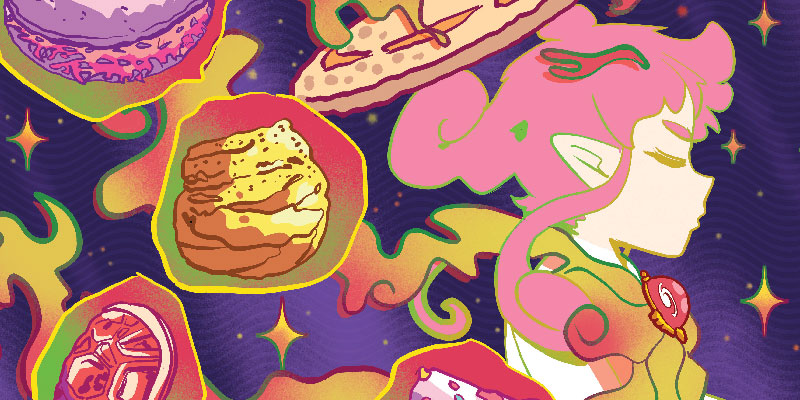
A Magical Girl’s transformation is accompanied by its own language of movement and gestures that speak to her beliefs and personality, often accompanied by cute outfits and gadgets as self-expression. This is not to say that they can only be effective when they have magical powers. Rather, the transformation can be read as a symbol of self-assuredness and empowerment of being able to take on tougher challenges through their unique personality refracted through the power of their magic. Reappearing in elaborate, fantastical outfits with gadgets imbued with sorcery, a Magical Girl’s final form speaks to where their power comes from — not just the source of their magic but also who they are as a visual armour that represents and empowers what they stand for.
A magical coming-of-age
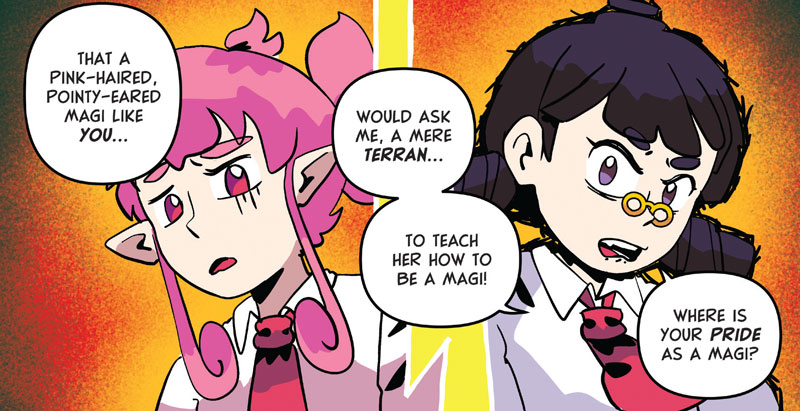
The transformation is therefore connected to a Magical Girl’s emotional journey. In Magical Sweet Gula: Monster Mayhem, the second book in the series, Gula’s ability to transform after struggling to control her powers in the first instalment is a sign of her growth and confidence in herself and coming to terms with her dual identity. Judged both for her magical ancestry as a half-Magi and also her distance from Magi culture as a half-Terran, this manifests in her struggle to accept herself, figure out whether she should give up her magic, and control her magical abilities.
Like every coming-of-age, a Magical Girl’s transformation is not about reaching a state of perfection or flawlessness, but a milestone in a journey of coming to terms with who she is. Her transformation is only made possible because of the choices she has made. Gula’s power to turn things into kue and other sweet treats is often misunderstood by the people around her, and she faces a choice between giving it up to fit in with her non-magical schoolmates, or accepting and wielding it in an embracing of her Magical Girlhood. With the dilemma their power brings, a Magical Girl has to choose how they will use their powers and what kind of path they will forge, just as how our collective choices in life have an impact on the people around us.
Cute is what we aim for
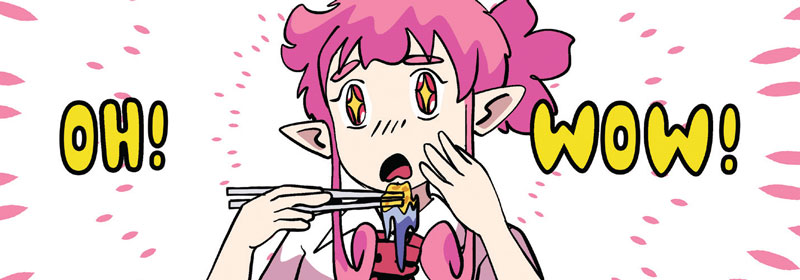
Cheeky, humorous, lighthearted with typically saccharine, colourful, and stereotypically “girly” elements, Magical Girl stories appear to indulge in childlike fantasies which some might call idealistic or wishful and therefore frivolous, unserious, and unimportant. Such dismissive attitudes are common when it comes to content marketed towards girls and women, and Magical Girl stories face the added layer of prejudice given its predominant aesthetic of cuteness. We hope unpacking the genre has hopefully shed light on how even stories for teens and tween can be more than meets the eye and carry much more complexity than we might think.
The Magical Girl genre can also be an invitation to consider the question: what happens when cuteness is taken seriously as an aesthetic form? Academics such as Sianne Ngai are researching cuteness as a cultural or even philosophical response to contemporary life, and Joshua Paul Dale’s work in the academic field of cute studies recognises the way cuteness has become a large part of our sociocultural imagination as both a language and aesthetic on the internet. With the Magical Girl genre in mind, all of these initiatives asks us to consider: can cuteness be a form of comfort and resistance as we embrace femininity?
Magical girls unite!
The Magical Girl genre is unabashedly playful and imaginative, and illustrates how things don’t always have to be “serious” to be meaningful or complex. Magical Girls, with their subtle might and wholesome energy, might just be the clarion call we need in this day and age to embrace other expressions of empowerment.
Even if we feel like we have outgrown our struggles in child and teenhood, Magical Girl stories remind us that these challenges don’t just disappear in life but manifest in other forms as we go into adulthood. The idea that ordinary girls can become magically powerful beings taps into our desire to feel like we can still have a positive impact on a world that is scary, chaotic, and sometimes terrifying, and perhaps that’s something worth holding on to.
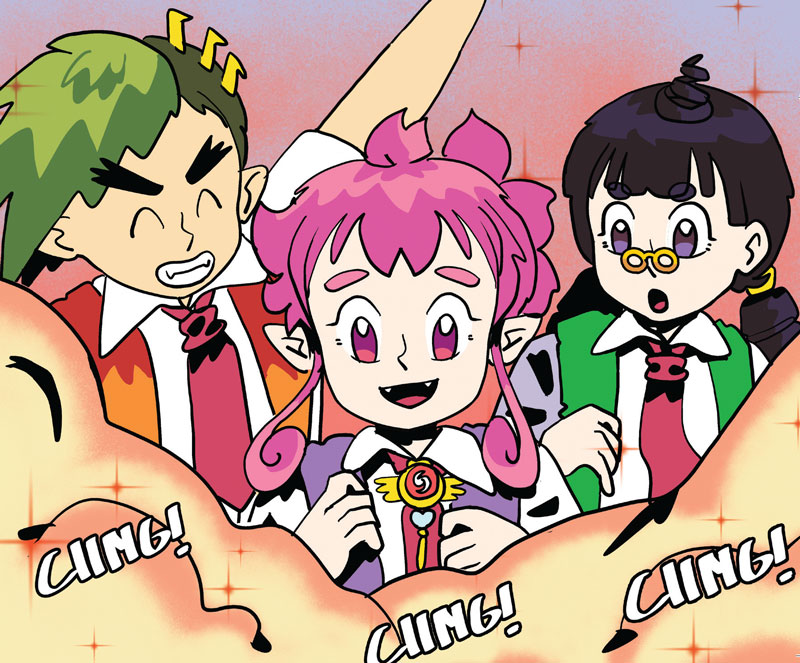
As the real world feels more and more precarious, the Magical Girl genre celebrates vision, imagination, community, and desire for a world other than the one we see right in front of our eyes – and maybe even shows us what playfulness, whimsy, and joy can bring to an unmagical reality.
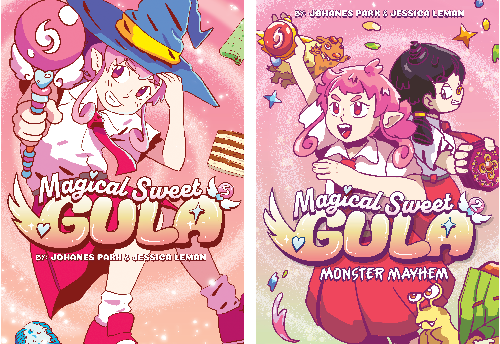
About Magical Sweet Gula
Gula Gulali is a magical girl with the power to turn the things around her into cakes and sweets! But she is a Magi living in the non-magical realm of Terra, where her bright pink hair and pointed ears make her stick out like a sore thumb in the regular school she attends.
As she navigates friendships, prejudice against Magi, suspicious schoolmates, and a series of magical mishaps, will she find acceptance and belonging, or will she have to give up her magic to fit in?
![[PRESS RELEASE] Level Up: Difference Engine Launches Multi-Medium Video Games Anthology featuring Nebula and World Fantasy award-winning creators](https://differenceengine.sg/wp-content/uploads/2026/04/header.jpg)

![[PRESS RELEASE] It’s About Time: Finding New Rhythms in “DELAY: A Comics Anthology”](https://differenceengine.sg/wp-content/uploads/2025/09/blog.jpg)