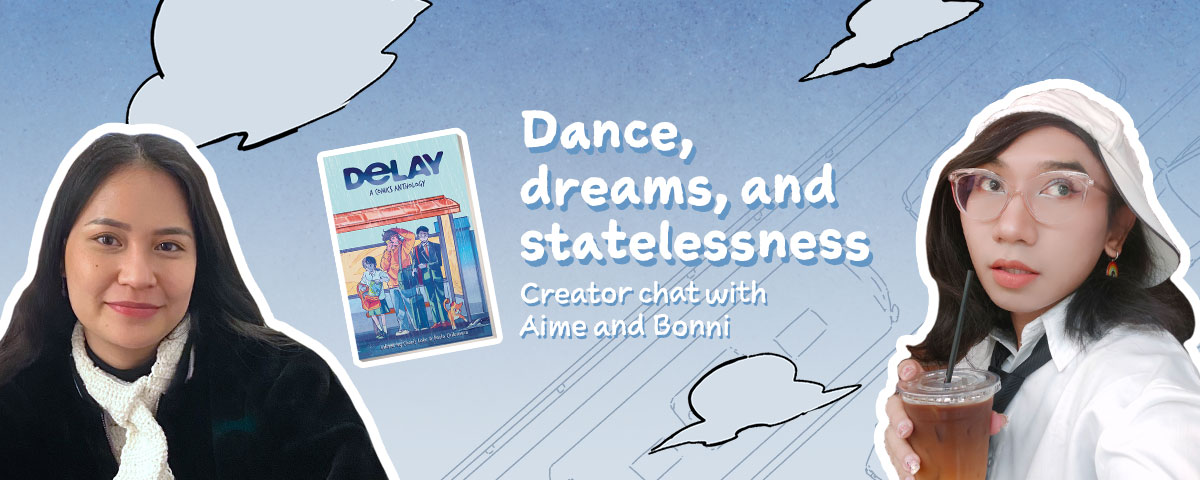
Tell us about yourselves and what “Syncopation” is about!
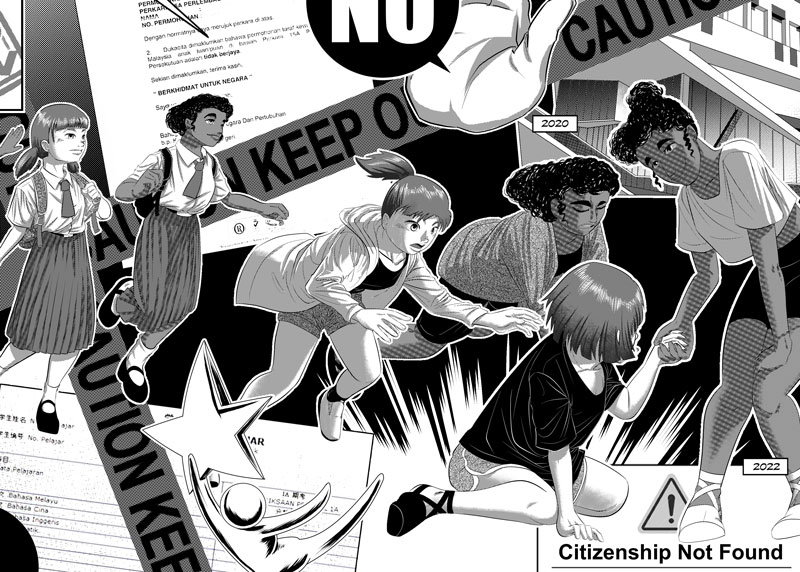
Aime: I’m Aime, an advocate on the issue of statelessness in Malaysia, specifically in the Sabah region which is where I’m from. Little elements of Sabah are highlighted in the comic. “Syncopation” tells the story of two friends, Hanna and Alisa, who share a deep passion for dance. However, their dreams are held back by something seemingly small yet immensely powerful – a piece of paper, their national identity card. Both girls struggle with legal identity issues shaped by discriminatory laws in Malaysia and entrenched bureaucratic barriers. Through this shared hardship, they develop a deeper empathy for one another, bound by the prolonged delays and uncertainty of the Malaysian citizenship application process. Their friendship is ultimately put to the test when Alisa’s citizenship is finally approved, and the realities of their lives begin to diverge in unexpected ways.
How did you decide to collaborate on this comic and what was it like working together when you’re based in different countries?
Bonni: I’ve worked with Aime a few times on the issue of statelessness before, and I’ve always enjoyed it. I wanted to make something for DELAY and thought talking about statelessness would echo this theme perfectly, so I reached out to Aime to ask if she’d be down for another collaboration.
Aime: A big thank you to Bonni for inviting me to collaborate on this comic. It was a no-brainer to work with Bonni again, especially on a topic so close to my heart. Plus, having collaborated remotely before, the process felt natural and seamless.
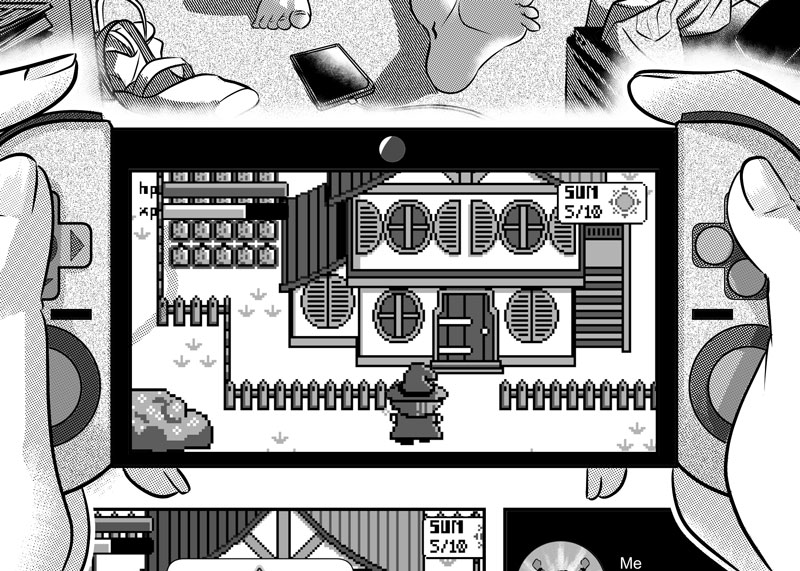
Syncopation tackles the issue of statelessness using video games and dance as a metaphor. What made you decide to frame the story this way?
Bonni: It’s funny, because I knew I wanted to draw a comic about dance that integrates pixel art long before we decided to do this comic, but the ideas never really had anywhere to go. I told Aime about it, and we agreed that the statelessness issue happened to be a perfect match.
Aime: It was Bonni’s idea! And the moment they told me about it, I was 100000% down for it. I was excited to highlight the issue in a different way, especially since it’s not a social issue that’s often represented. Being able to connect video games with the lived realities of stateless people in Malaysia felt both refreshing and powerful.
Aime, “Syncopation” is your first comic but you’ve also published an article about statelessness in New Naratif. How did you tackle the topic differently as a comic, and were there any interesting differences between both processes?
Aime: It was so different! Especially the word count haha. When I was writing the article, I could tell the story freely, without limits. With the comic, however, I had to be concise while still making it just as impactful and providing context for such a complex issue. I’m really glad I got to collaborate with Bonni, as they helped me immensely in shaping the story and refining its flow.
Bonni, which scene in “Syncopation” was your favourite to draw and why?
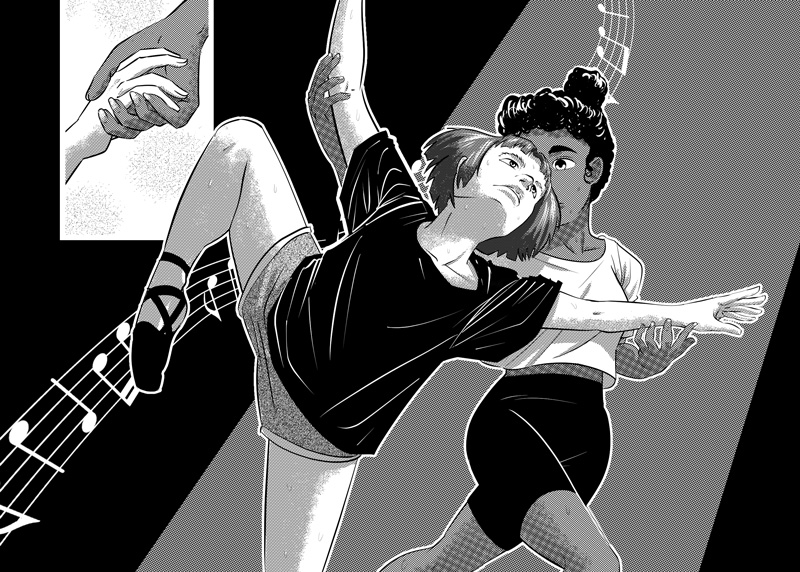
Bonni: Ugh, it’s so difficult to choose! I’m the kind of artist who loves to experiment, and each page in the comic has its own exciting challenge. I really liked drawing the two of them dancing in that double-page spread, but I also really enjoyed drawing the first page as I got to draw everything: a messy hotel room, the main character, a close-up of her game console, and pixel art!
People often ask if art should be political. We’re curious about how you’d respond to such a question, especially when it comes to comics!
Aime: Why not? It may be cheesy, but art can be anything, that’s the beauty of it. I believe art has a role to play in our lives, and in comics especially, it becomes a powerful storytelling medium. Whether the story is political or not, comics offer a way to communicate ideas and connect meaningfully with an audience.
Bonni: Haha, this is such a nuanced question that warrants a whole essay, but let me try and be brief! Essentially, I tend to find “political” and “not political” as a false dichotomy, because it takes a certain political privilege to consider something as not political. As a trans person, anything I create will be considered “political” simply by virtue of my existence. Same thing with statelessness. This might be difficult to believe, but I rarely ever set out to create something explicitly to champion political causes. It just so happens that my experiences have been defined by issues that people consider political, which makes my comics political by nature.
What is one thing you hope readers can take away from your comic?
Aime: To those who are stateless or struggling with legal documentation, know that you are not alone in this journey. Like Alisa and Hanna, the path to legal recognition can be long and uncertain, and they are far from the only ones affected by discriminatory laws and bureaucratic processes. Many of us live quietly beneath this truth, as revealing it can feel like losing the only sense of safety or normalcy we have or even bring feelings of shame. If you know of an NGO or community working on these issues, reach out and start a conversation. That’s how we begin to build community, support one another, and advocate more strongly for our rights.
And for the general public: don’t take your privileges for granted, and practise greater empathy. You never know what struggles someone may be going through.
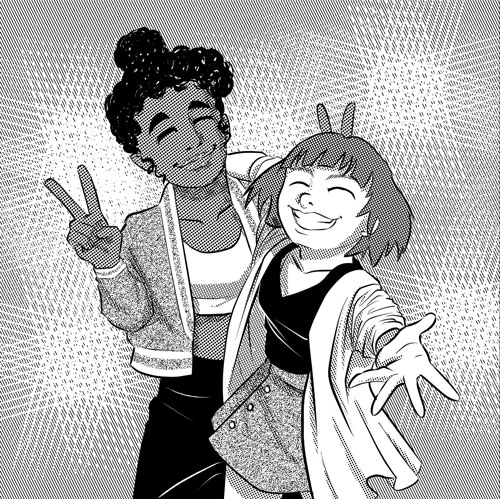
Bonnibel Rambatan
Bonnibel is a writer and artist passionate about finding new possibilities for solidarity and liberation. They are the co-founder of Rainbow Panda, a community for the welfare of queer and trans children in Asia. Most of the time, you’ll find them writing, drawing, dancing, or eating a gorgeous cake at a gorgeous cafe with a gorgeous book in their hands.
Aime Marisa
Aime Marisa, a law graduate, is passionate about human rights, statelessness, and migration issues and seeks to drive impactful advocacy campaigns, influence legislative discussions, and enhance legal protections for marginalised communities in Malaysia. She has worked with both local and international organisations to raise awareness of pressing social issues and empower youth to become agents of change.
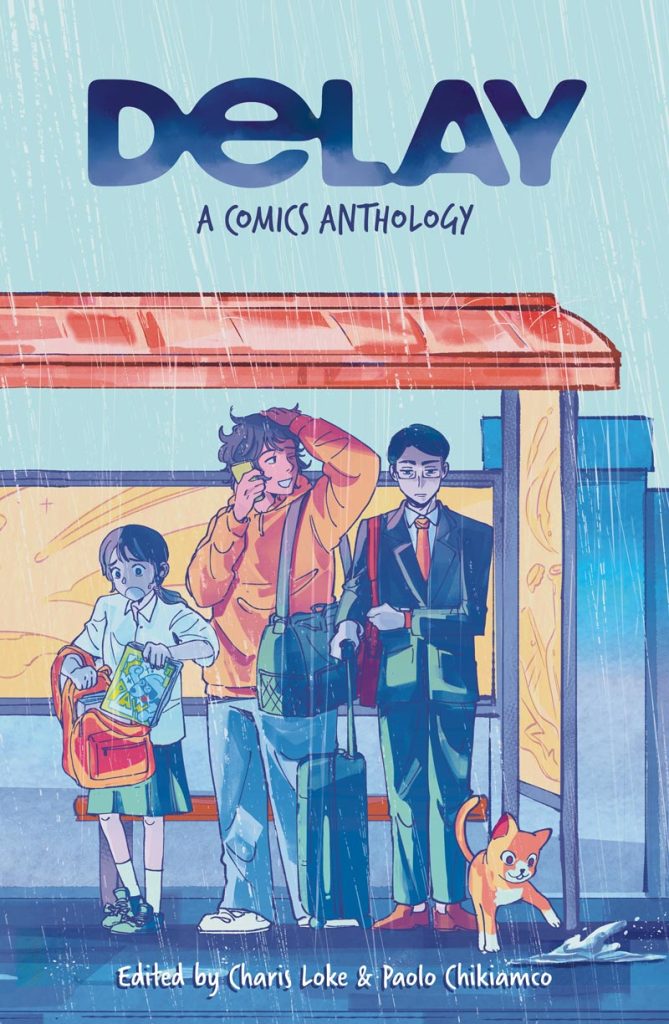
“Syncopation” is part of DELAY: A Comics Anthology
![[PRESS RELEASE] Level Up: Difference Engine Launches Multi-Medium Video Games Anthology featuring Nebula and World Fantasy award-winning creators](https://differenceengine.sg/wp-content/uploads/2026/04/header.jpg)
![[PRESS RELEASE] BIGGER, BOLDER WORLDS: DIFFERENCE ENGINE PRESENTS FOUR NEW TITLES IN 2026](https://differenceengine.sg/wp-content/uploads/2026/01/2026_Blogpost-1200x480-1-scaled.jpg)